Blog
What Is Red Light Therapy and How Does It Work?
- Created by: K2 Light Therapy
- Last Updated:
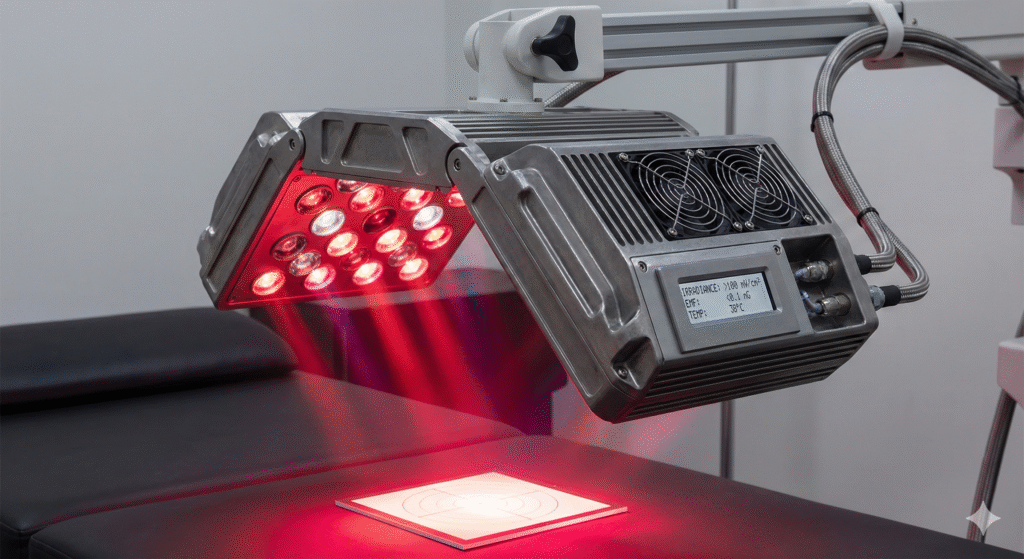
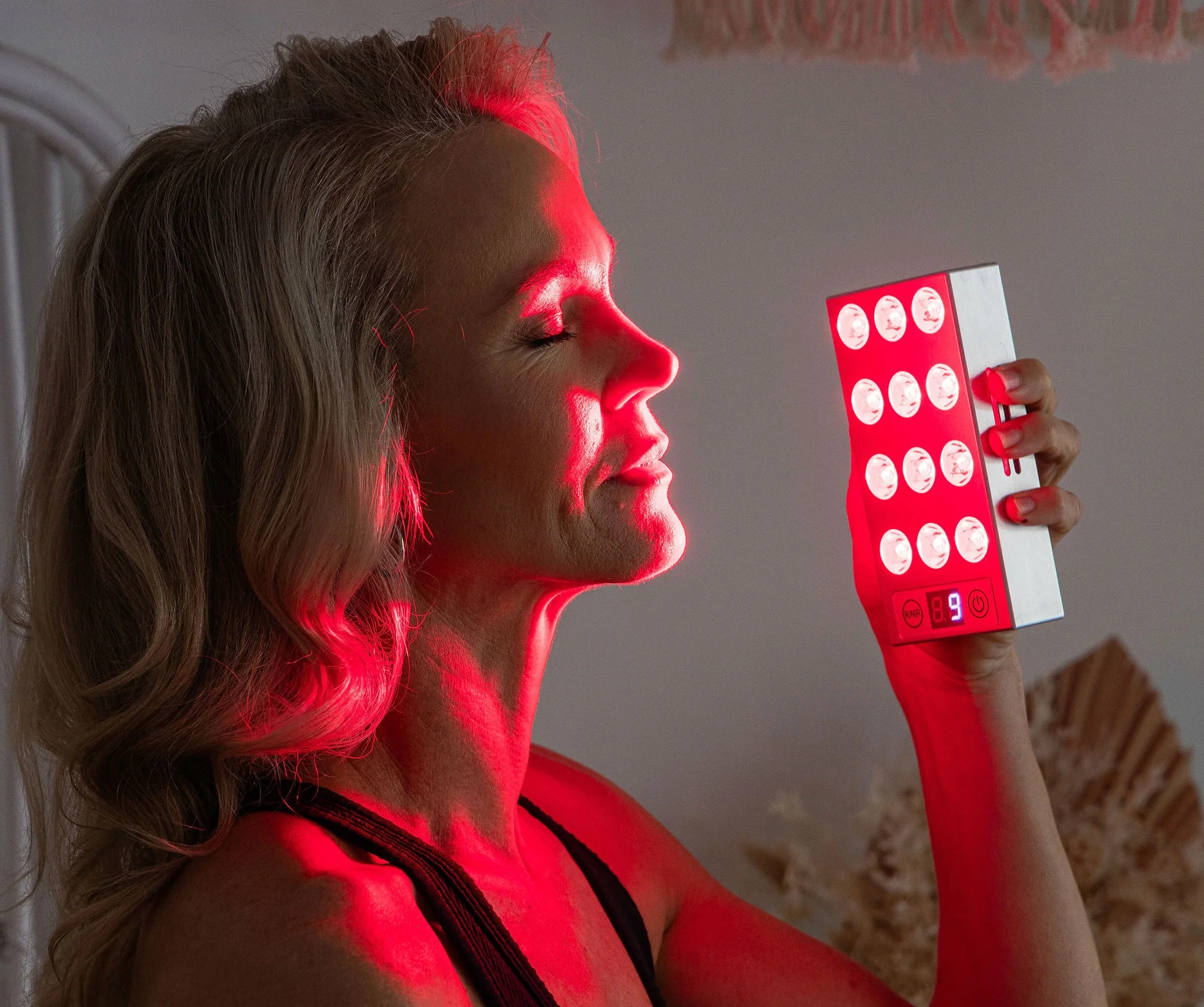
Red light therapy (RLT) is a type of phototherapy that may help treat skin conditions, inflammation, muscle pain, and other conditions.
Red light therapy uses light-emitting diode (LED) technology and various wavelengths of light. Some people report that using these lights improves various conditions, but more research is needed to confirm these results.
Read on to learn more about how red light therapy is used and performed.
Table of Contents
What is red light therapy?

- treat skin changes like scars, stretch marks, and wrinkles
- treat skin conditions such as psoriasis and acne
- reduce inflammation or edema
- repair muscle tissues
- promote healthy aging
Endre Mester discovered it in 1967. He noticed that laser light helped promote hair growth and wound healing in rats.
Scientific literature suggests there are many other names for RLT, such as:
- low-level light therapy (LLLT)
- soft laser therapy
- cold laser therapy
- biostimulation
- photonic stimulation
- low power laser therapy (LPLT)
In the 1990s, scientists used light-emitting diode (LED) technology to grow potatoes in space. The intense red LEDs helped promote photosynthesis, and the scientists reported that their hands healed faster.
Red light was then studied for its potential medicinal application during space travel. Researchers hoped it would help treat muscle atrophy, slow wound healing, and bone density issues caused by weightlessness in space.
Although RLT is gaining traction as a dermatological treatment for certain conditions, more clinical research is needed to fully support its claimed benefits.
RLT works by repetitively exposing your skin to low levels of red and near-infrared light for a certain period of time. At low wavelengths, red light doesn’t generate heat and penetrates the skin between 1 and 2 millimetersTrusted Source, according to older research from 2013.
This red light exposure may produce a positive biochemical effect in your cells that strengthens the mitochondria, where the cell’s energy is created. RLT may do this by increasing the transportation of electrons, oxygen consumption, and levels of ATP (adenosine triphosphate).
By increasing the mitochondria’s energy, cells may function more efficiently and rejuvenate and repair themselves.
LEDs are gaining popularity over lasers as the chosen RLT light source because they’re nonablative, meaning they help smooth skin without harming the outer layer. LEDs are also nonthermal, meaning they don’t produce heat or burn the skin. According to the 2013 research, they may also help:
- increase blood flow
- reduce inflammation
- increase levels of collagen
- increase the production of fibroblasts
However, more research is needed to support these claims.
According to a 2018 review of researchTrusted Source, many studies suggest promising results of using RLT, but it’s still controversial. Additional clinical research is needed to confirm its effectiveness.
That said, studies from the past 20 years suggest that RLT may help:
- promote wound healing and tissue repair
- reduce some cancer treatment side effects, such as oral mucositis, radiation dermatitis, and lymphedema
- improve hair growth in people with androgenic alopecia
- treat carpal tunnel syndrome in the short term
- reduce myopia progression
- reduce psoriasisTrusted Source lesions and burn scars
- reduce neuropathicTrusted Source pain
- improve neural functionTrusted Source and protection to improve cognition and memory for people with Alzheimer’s disease
- improve skin complexion and build collagenTrusted Source to diminish wrinkles
- relieve pain and inflammationTrusted Source in people with pain in the Achilles tendons
RLT may also be used with photosensitizing medications to help treat certain cancers. This is referred to as photodynamic therapy, in which the light only serves as an activating agent for the medication.