
Benefits
The Science-Backed Benefits of Red Light Therapy.
Curious about red light therapy? Read this first.
From boosting skin health and speeding up recovery to improving sleep, we’ve gathered evidence-based facts and cleared up common myths—so you can make a confident, informed choice about this innovative treatment.

What is Red Light Therapy?
Red light therapy uses red and near-infrared light to stimulate your body’s natural healing processes. The light penetrates the skin and helps cells produce more energy, which supports faster recovery, reduced inflammation, and healthier skin.
It is also called photobiomodulation therapy (PBM). Research shows it can help with muscle repair, joint pain, circulation, and overall wellness. K2 devices bring this same clinical-grade therapy into your home, making it safe and easy to use every day.

Red Light Therapy Does Actually Work?
Yes, red light therapy works. Results can vary depending on the condition, but it is more than just a wellness trend. This therapy is clinically validated and backed by decades of scientific research. Hundreds of studies show it can reduce inflammation, support muscle recovery, improve skin health, and boost cellular energy. K2 devices bring this proven therapy safely into your home.
How Red Light Therapy Works

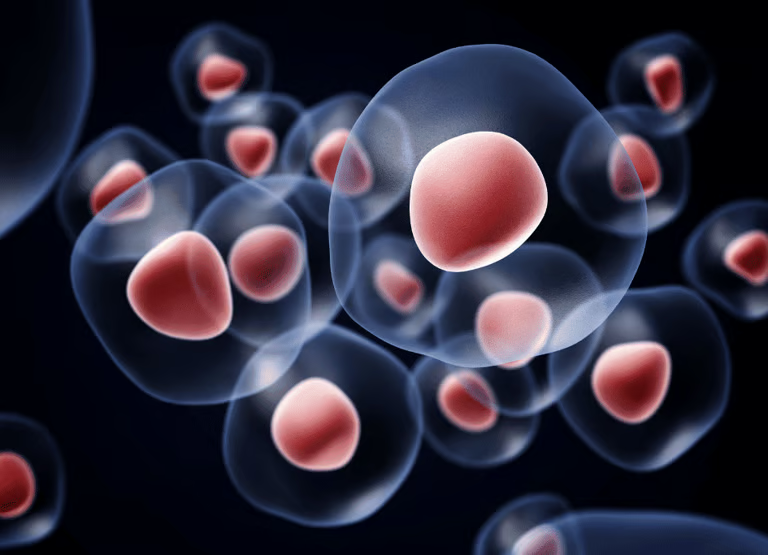
Every living organism is made up of cells—the basic building blocks of life responsible for vital processes such as respiration, metabolism, and energy production. When cells don’t function at their best, it can trigger a chain reaction throughout the body that contributes to various health concerns. This is where red light therapy can make a difference.
Red light therapy supports cellular health by stimulating mitochondrial activity and boosting the production of ATP—the energy source that powers our cells. With improved energy availability, cells can work more efficiently, promoting overall wellness. The benefits can be wide-ranging, from healthier skin and reduced inflammation to faster muscle recovery and beyond.
~90%
of our cellular energy is produced by mitochondria
Mitochondria generate nearly 90% of the body’s cellular energy as ATP. Red light therapy helps optimize mitochondrial performance, boosting ATP production and supporting a wide range of health benefits.
Benefits of Red Light Therapy
When the body is exposed to red light therapy, it activates a series of beneficial physiological responses. These effects are driven by how the therapy interacts with tissues and the positive changes it produces at the cellular level. Read on to discover how red light therapy can support your overall health and wellness.
Full Body Wellness
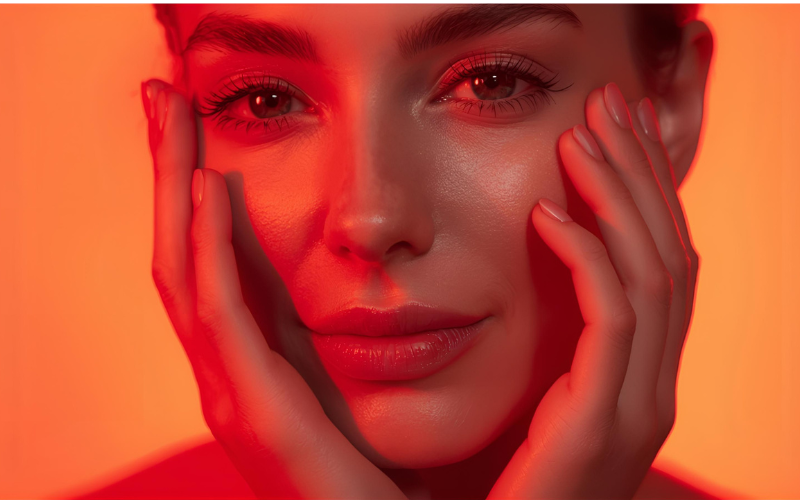
Red light therapy can improve skin health and reduce signs of aging by by stimulating collagen and elastin production, repairing damage from UV rays, and reducing inflammation and bacteria. It has been found to improve skin conditions such as acne, sunspots, eye wrinkles, and enhance skin complexion, roughness, and collagen density. Early clinical trials have also found that natural red and near-infrared light can have a therapeutic effect on the symptoms of painful skin conditions such as psoriasis, herpes, and acne. Learn more about red light for skin health here.
Skin Health & Anti-Aging
Wound Healing, Scars and Tissue Repair
Joint Pain and Inflammation
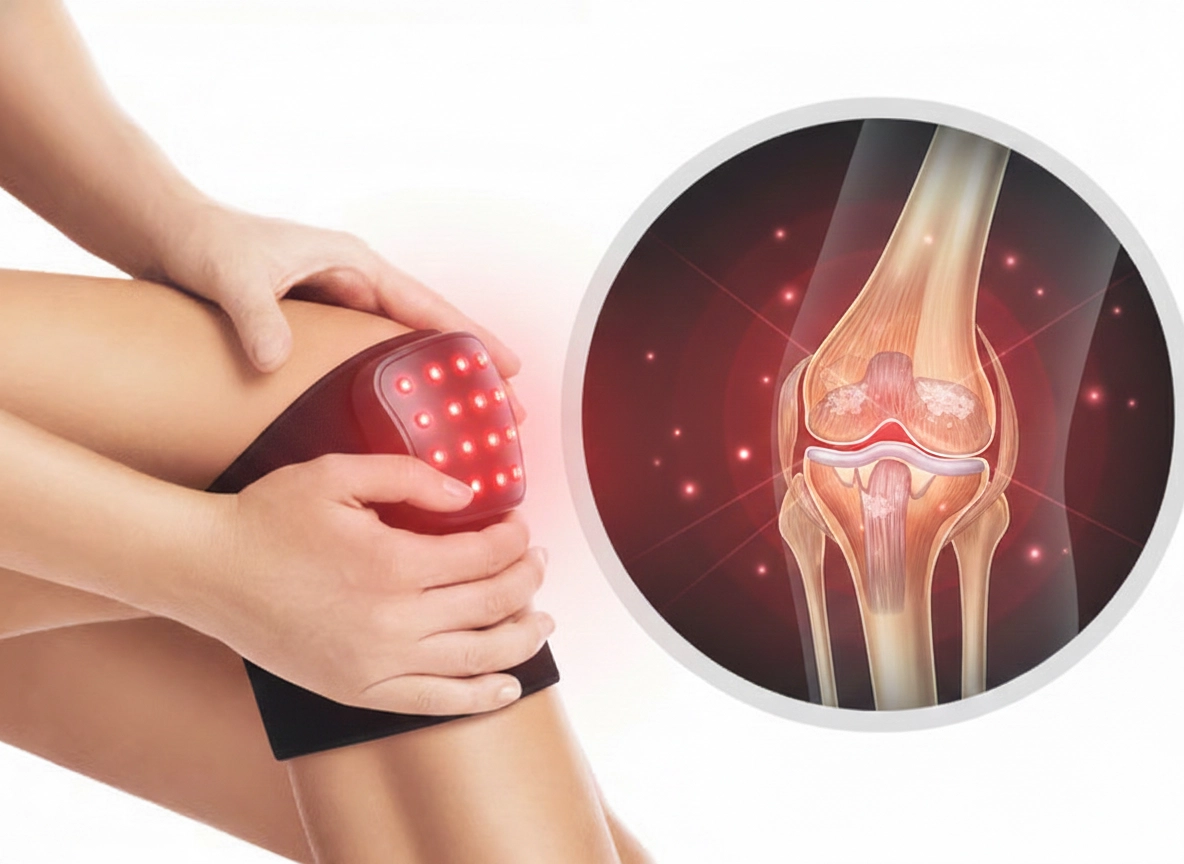
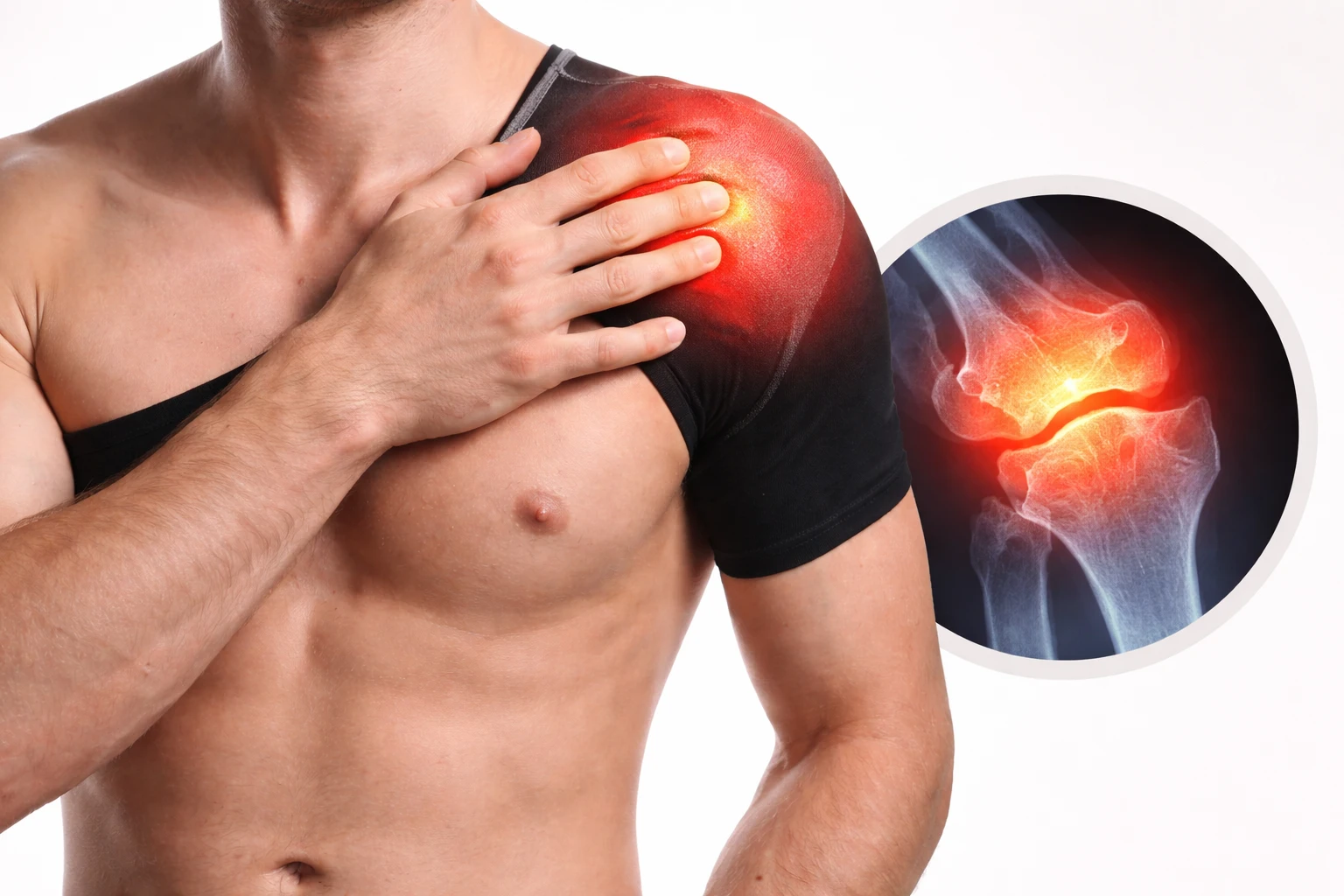
Red and infrared light therapy have been shown to effectively reduce joint pain and inflammation in individuals with arthritis, especially rheumatoid arthritis. A 2000 review analyzing 13 randomized controlled trials reported pain reductions of up to 70%. This therapy is believed to stimulate the release of nitric oxide, improving blood circulation and increasing the delivery of oxygen and nutrients to damaged tissues. These effects support tissue repair and regeneration, helping to relieve both pain and inflammation. Compared to many traditional treatments, red light therapy offers a safe, non-invasive option for pain management.
Muscle and Injury Recovery
Red light therapy has been shown to significantly speed up injury recovery and reduce athletes’ return-to-play time. For example, a study involving the U.S. track team reported a 50% reduction in recovery time—from 19.23 days down to just 9.6 days. Beyond injury recovery, red light therapy also supports muscle recovery and enhances physical performance. Research published in the European Journal of Applied Physiology found that combining red light therapy with exercise led to over a 50% increase in muscle thickness and strength, as measured by ultrasound imaging and isokinetic dynamometry.
Uses of Red Light Therapy
Sleep Optimization

Inflammation Support

Sports Performance & Recovery
Hair Loss & Hair Health
Weight Loss & Cellulite Reduction
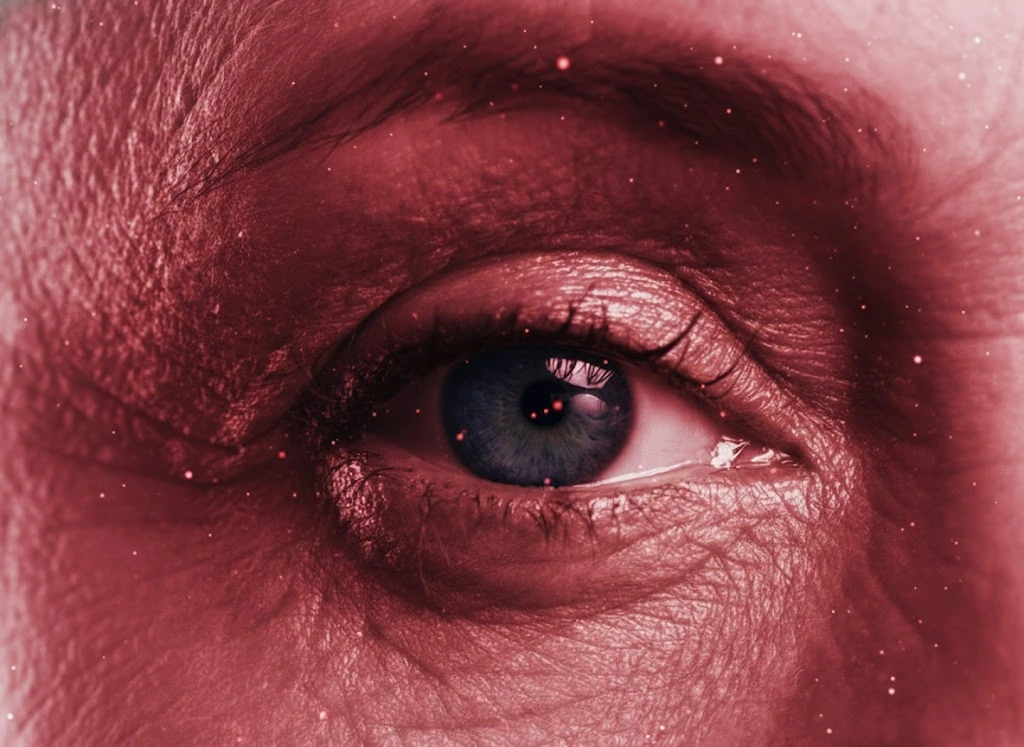
Eye Health
Red and near-infrared light have shown promising effects on eye health. In a study involving 200 individuals with age-related macular degeneration, red light exposure improved visual acuity in 95% of participants, with benefits lasting up to 36 months.
A 2021 study also found that a single three-minute red light session enhanced color vision in participants over 35, with improvements lasting up to a week. These results suggest that red and near-infrared light may help slow the aging of photoreceptor cells and support overall eye health.
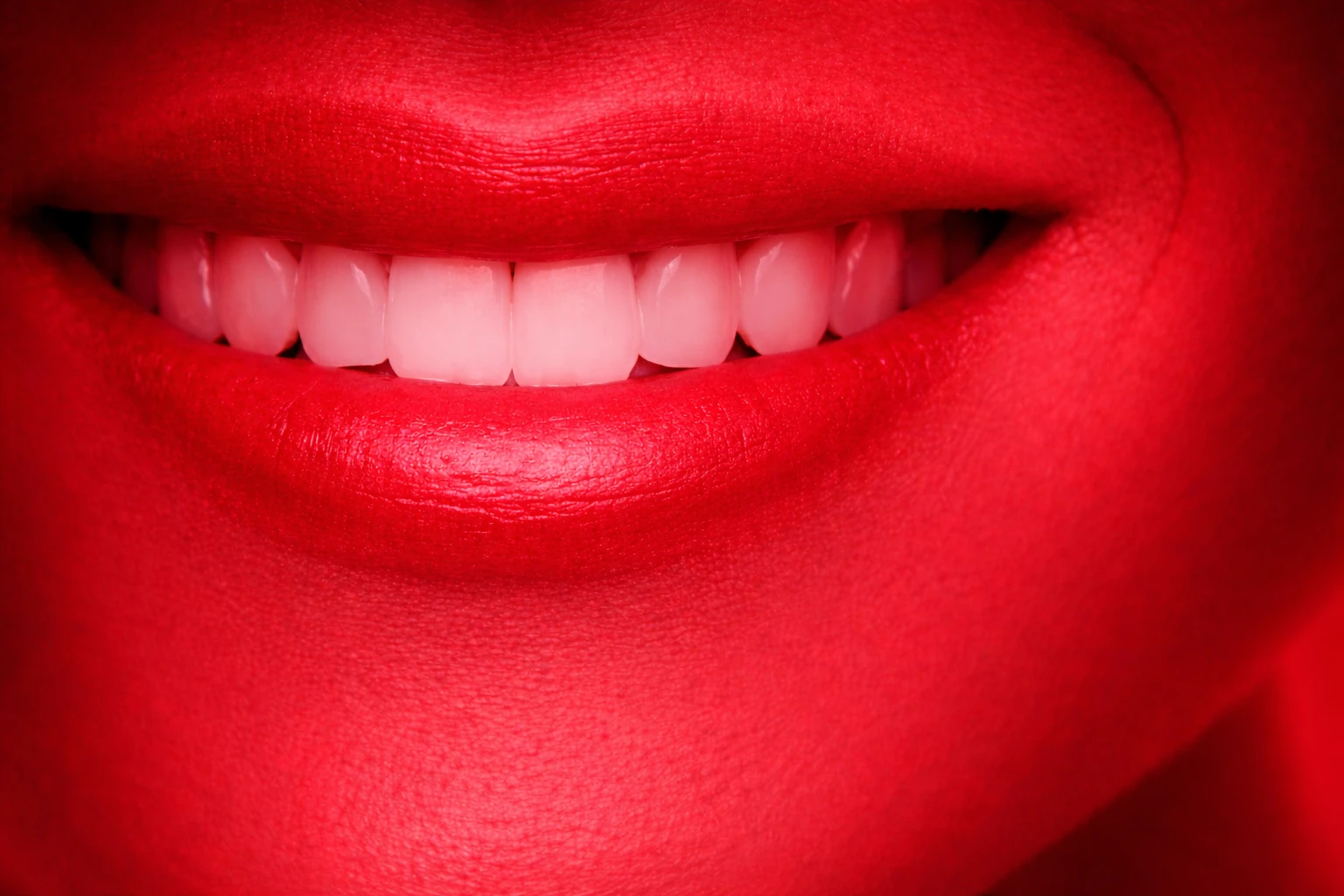
Oral Health
Early research suggests that red and near-infrared light can promote the regeneration of certain areas of the teeth and gums while reducing harmful bacteria. Studies also indicate that red light therapy may help heal mouth ulcers and alleviate pain and discomfort from dental procedures like extractions or root canals. Although more research is needed to fully understand the mechanisms and establish optimal treatment protocols, red light therapy shows promising potential as a tool for supporting oral health.
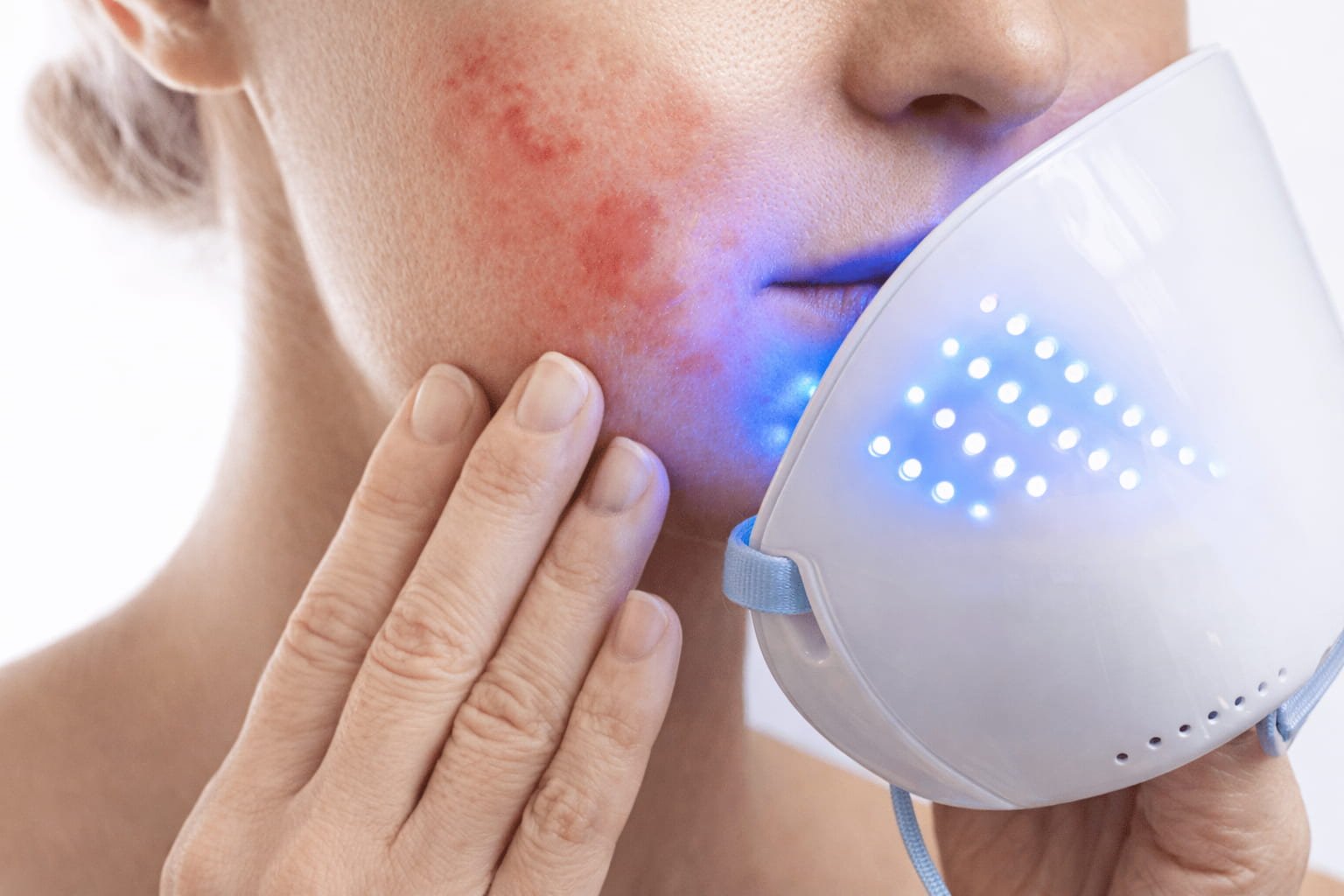
Psoriasis, Acne, Eczema
Red light therapy has been shown to benefit a range of inflammatory skin conditions, including psoriasis, acne, and eczema. By reducing inflammation, boosting blood flow, and promoting cell regeneration, it helps improve skin health. The therapy enhances circulation, delivering more oxygen and nutrients to skin cells, while accelerating cellular turnover. This supports faster regeneration of new, healthier skin cells, strengthening the skin barrier and making it more resilient to damage.
Risks and Side Effects of Red Light Therapy
Red light therapy is generally considered safe, with the most common side effects being mild fatigue or temporary skin redness. However, it’s still recommended to consult a doctor before using it to treat any medical condition, and it should never replace prescribed medical treatments.